
Syrian chemical arsenal could be destroyed at sea
November 21, 2013
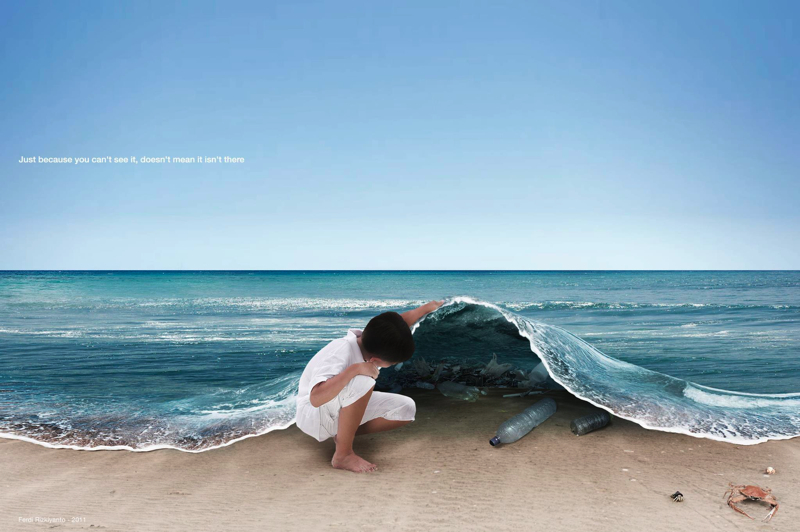
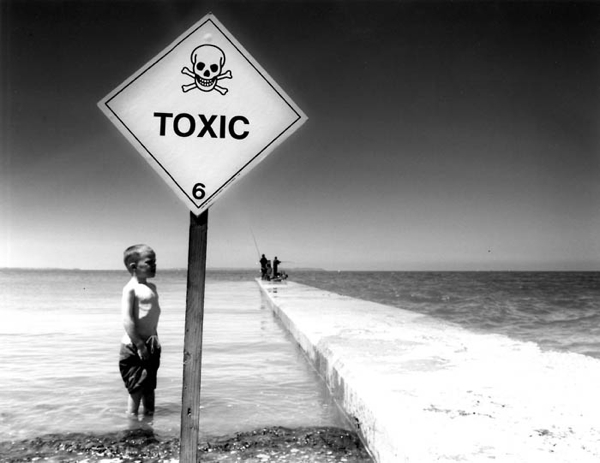
I am not an expert in chemicals, industrial waste or anything of the sort. However, I am shocked that the sea would be considered an acceptable place for chemical weapon destruction (read below). As long as humans maintain the illusion that the sea is a massive body of water which we can mistreat, we’re going to hit the wall at full spead. With the old adage ‘out of sight out of mind’, we are fooling ourselves.
In the words of Mission Blue founder Dr. Sylvia A. Earle who recently gave an interview for BBC’s The Age of Reason, we have to give up the notion that the ocean ecosystem is too big to fail. It is true for its large fish population which has declined by 90% because we have caught it excessively and it is equally true for its fragility in the face of pollution.
I still recall reading newspaper articles after the nuclear accident in Fukushima, Japan, about the leak of radio-active substances in the nearby sea. The journalist had written that fortunately the leak was of no consequence because there wasn’t any fishing in the area…
Last time I checked, it’s considered unsanitary to urinate in a swimming pool. I guess chemical and radio-active materials are safer because they don’t spread??? Has common sense completely gone out the window?
Either way, it is time we protected the high seas – this area spans nearly half the planet but is considered international waters and hence ungoverned and, I am afraid, open to whatever idiocy human beings want to perpetrate.
*********
November 21, 2013 – Source AFP – The world’s chemical watchdog said on Wednesday Syria’s arsenal of over 1,000 tons of chemical weapons could be disposed of at sea, in the event that no country agrees to destroy them on its soil, AFP reported.
“This possibility has been looked at for some time already,” the Organization for the Prohibition of Chemical Weapons (OPCW) told AFP.
“It’s still being looked at and is one of several solutions envisaged by member states and as long as a decision has not been taken, it remains a possibility,” OPCW spokesman Christian Chartier said.
He stressed that the possibility of destroying the Syrian chemical stockpile on land was still a relevant option.
“This possibility doesn’t exclude the fact that member states continue to think about the possibility of destroying them on land,” Chartier told AFP.
In a statement made on November 17, 2013, the OPCW said it had developed a plan for removing and destroying the chemical agents.
The plan envisions the removal of all declared chemical substances and precursors, except for isopropanol, from Syria no later than 5 February 2014 with the “most critical” chemicals to be transported out of Syria by 31 December 2013. Syrian declared chemical weapons facilities, will undergo sequenced destruction from 15 December 2013 to 15 March 2014 according to a risk-based criterion.
With respect to activities outside Syria, the Executive Council decided that the destruction of the priority chemical weapons will be completed by 31 March 2014 and all other declared chemical materials by 30 June 2014.
The OPCW Director-General will present a specific plan for the destruction of Syrian chemicals outside the territory of the Syrian Arab Republic which includes provisions for ensuring clear responsibility at each stage for all chemicals and takes into account all relevant consideration, including target dates, requirements for safety and security, and overall costs. The Director-General is also requested to establish a special Trust Fund for this purpose and to keep the Executive Council informed on progress and if target dates will be modified.